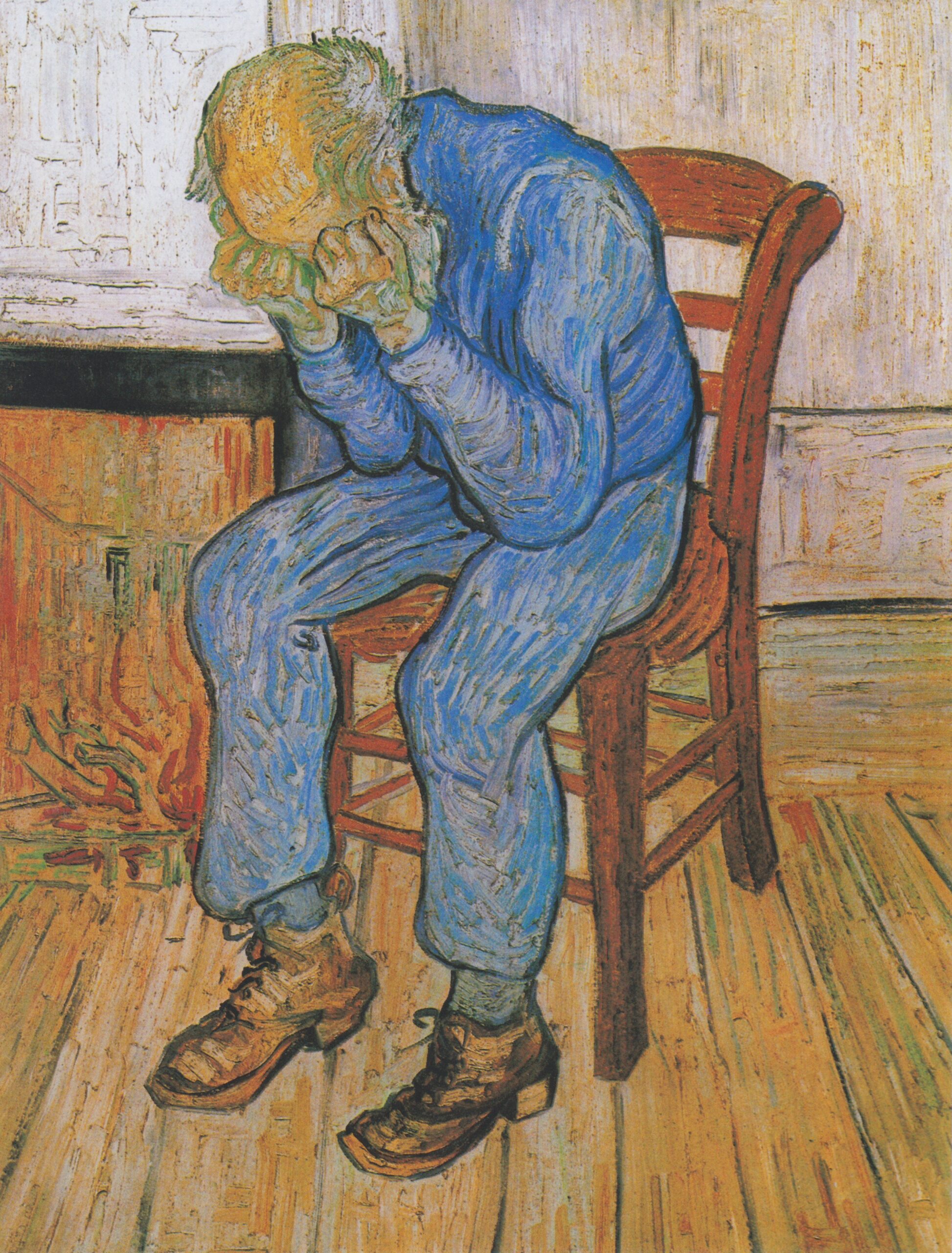
As with any physical and mental treatment, which requires an inevitable encounter with pain, so too does the mental treatment that involves opening personal problems, removing defenses, observation, and painful concessions. Many times, the treatment itself will lead to necessary mental pain that is temporary, symptomatic, and unavoidable, and even part of the treatment.
As in any therapy, the goal is to create, with the therapist's help and personal, empathetic relationship, a suitable and enabling environment that fosters openness, allows for the surrender of defenses, and facilitates observation, analysis, and healing. However, the ability to numb the patient's pain is sometimes neither possible nor desirable. The patient must also be courageous, willing, and daring to feel an inevitable pain, anxiety, or depression, and even a kind of grief and loss during the therapeutic process.
For these reasons of fear of pain, many people refrain from treating themselves, observing themselves, and opening their wounds for healing. And even often there is a lack of seeking treatment, stopping the treatment or the inability to delve deeper into the process. It is superficiality caused by the same reason of fear and avoidance of pain.
In this article, we aim to highlight and describe avoidance in its various forms, presenting and clarifying the prices a person pays due to the fear of pain. We will see how much a person loses from the investment in cultivating the avoidance and concealment that he creates, including concealment from himself. We will also point out here the loss sometimes and the significant loss that arises because of that avoidance that stems from the fear of pain.
The wound is the uterus, says G. Hillman: The more you give him space, look at him, enter him, feel and understand him, then the soul, soul and spirit will expand, something new will grow. Opening the wound for the sake of expansion, growth, and connection as part of therapy is painful, but it is better for the whole self; it will also serve the ability to be freer later, and therefore it is part of the psychotherapy convention.
The tools of therapeutic observation, self-containment, analysis, and emotional experience
They are, of course, necessary in the process, but the willingness to suffer, to encounter inner truths, to give up hubris, to enter the inner shadow that is sometimes difficult to accept, causes
significant pain. The need to distinguish between what can and cannot be cured and changed, as well as the experience of black pits, deprivations, sensitivities, recognition of limitations, inferiority, and disabilities, are central and painful aspects of the treatment process. All of these are very difficult to digest in the psychotherapy process.
It should be remembered that both the standard, normative, and mentally suffering person usually develops defenses, coping and survival patterns, self-justifications, and imagined narratives; sometimes they believe in different theories that cover up their problems. It even seems that different ideologies emerge that were developed to protect themselves, to cover up the damaged places, the pain, and what is called pathology.
We will start from the perspective that the defenses and coping patterns a person has consciously or unconsciously built up are necessary against pain to a certain extent and are even essential for mental balance. Still, they come at a price and sometimes become a new problem in themselves: obsession, adherence to beliefs, cults, and the search for obscure alternatives such as drugs, alcohol, and more.
And here comes a time of the need for treatment and recourse, a time when the system no longer "works", or needs change, development or renewal, and the person who is in distress and develops various symptoms, enters into crises, or internal with himself or is in a crisis whose causes are projected on his spouses, his near and distant environment, and even the collective social.
When a person decides on treatment, he is in distress, he suffers, and he reaches a state where he is required to admit the distress and open his soul, to clarify his behavior patterns, his anxieties, depression, complexes, wounds, and inevitably also the secrets and things that he has neglected.
He may be willing to do so in a process that involves giving up and a willingness to face truths, to embark on a journey, and deal with hidden, unknown, and unconscious things that he will encounter along the way. It seems that he also has some willingness to face various types of emotional pain, pain from which, with the help of the layer of defenses, a person usually avoids.
The forms of protection and avoidance that have been created in the person's psyche often lead to self-isolation; sometimes, he will help develop a beautiful and impressive ideology and compulsive action that covers distortions, secrets, or pain.
Sometimes the defense is by projecting onto others and externalizing, removing the pain from the person and hiding oneself, seeing flaws and problems, especially in others.
Sometimes the protection from the feeling of pain is to the point of total detachment of the person from himself. Often, to escape the pain, the person will live a life devoid of emotion, experience, or partial involvement. He may enter a state of contemplation about life, and his ability to feel and live in a certain way will be significantly impaired.
Defensive manifestations can appear in finding the justification, the projection onto others, and the detachment. The distortion or development of a theoretical, sometimes pseudo-religious ideology that protects the person but prevents them from living their life wholly and honestly.
The emotional detachment from fear and avoidance of pain may detach a person from reaching a connection and understanding of their whole self. It will disrupt his life, preventing him from receiving and giving accurately. The fear of pain keeps him in a constant state of survival, of being as if he were lonely and a gap between the inside and the outside.
But the fear of pain without letting go of it can also continue the treatment and delay or stall the process.
How the difficulty in touching the pain will manifest itself in the treatment can be varied and different: sometimes it will come with difficulty speaking and raising specific topics, feeling that the treatment is going in too difficult directions, problematic: "I thought the treatment would do me good, or why did I open it", phrases such as "So what will I get into this topic now, what else will I do to pry into the wound, I don't believe in probing, talking again, hurting, discovering traumas" and more…Many times the inhibition in treatment will develop due to the same fear and aversion to pain. Because of the difficulty of giving up what a person has created, what he believes, and what he has presented to the world!
The fear of the pain that accompanies the treatment becomes the therapeutic problem. Around this fear, sometimes complications develop in the relationship with the therapist, attacks in the form of therapy, or ideology about what is needed in the place of treatment!
The patient in a significant part of these situations is aware of how afraid he is of pain, how much deepening hurts him, and how much he avoids it. The therapist must also understand the fear and avoidance of pain; he must be sensitive and treat the problem as much as possible, alleviate, support, and at the same time, not cooperate with the fear of pain and not try to bypass it or cooperate with the bypass patient.
It must be understood that pain is part of healing, and the ability to feel, process emotions, and grieve will be part of the medicine that will bring about new emotions.
In conclusion, it can be said that fear and avoidance of pain delay healing, development, and connection to the healing therapeutic experience. The internal anesthesia can delay and even prevent the person from feeling themselves, the experience of life, and the possibility of healing the wound, the emotional wound, and the trauma. Avoiding pain raises defenses, fixes them, and detaches the person from themselves and their authenticity. It can be said that therapy requires both daring and willingness to hurt, and recognition that pain, loss, and grief are part of development and change.